Nepal Earthquake Relief: Sankhu

Today was another emotional roller coaster here in Nepal. The scenes of devastation we saw seemed straight out of a WWII movie. The village of Sakhu appeared to have been bombed in an air raid; residents were sifting through the rubble trying to salvage what little is left of their possessions. But on a much higher note, we were able to bring 125 families here a week’s rations of rice and lentils. Nepal has a very long road to recovery ahead. However, for months to come our local native team will continue to serve these who have lost everything. If you have not already done so, please consider making a contribution of any size to Peace Gospel‘s Nepal Earthquake Relief Fund using this link. It really will make a difference.

We started the day searching for rice and lentils in the city. We had to call dozens of shops before we located one that had stock available. Then we made our way out to the Sakhu area where we distributed rations in two locations.

Here are some shots from the first location. We used a makeshift tent some families have been sleeping in as our distribution point.

Sankhu-12Sankhu-4Sankhu-7bSankhu-8Sankhu-5Sankhu-6

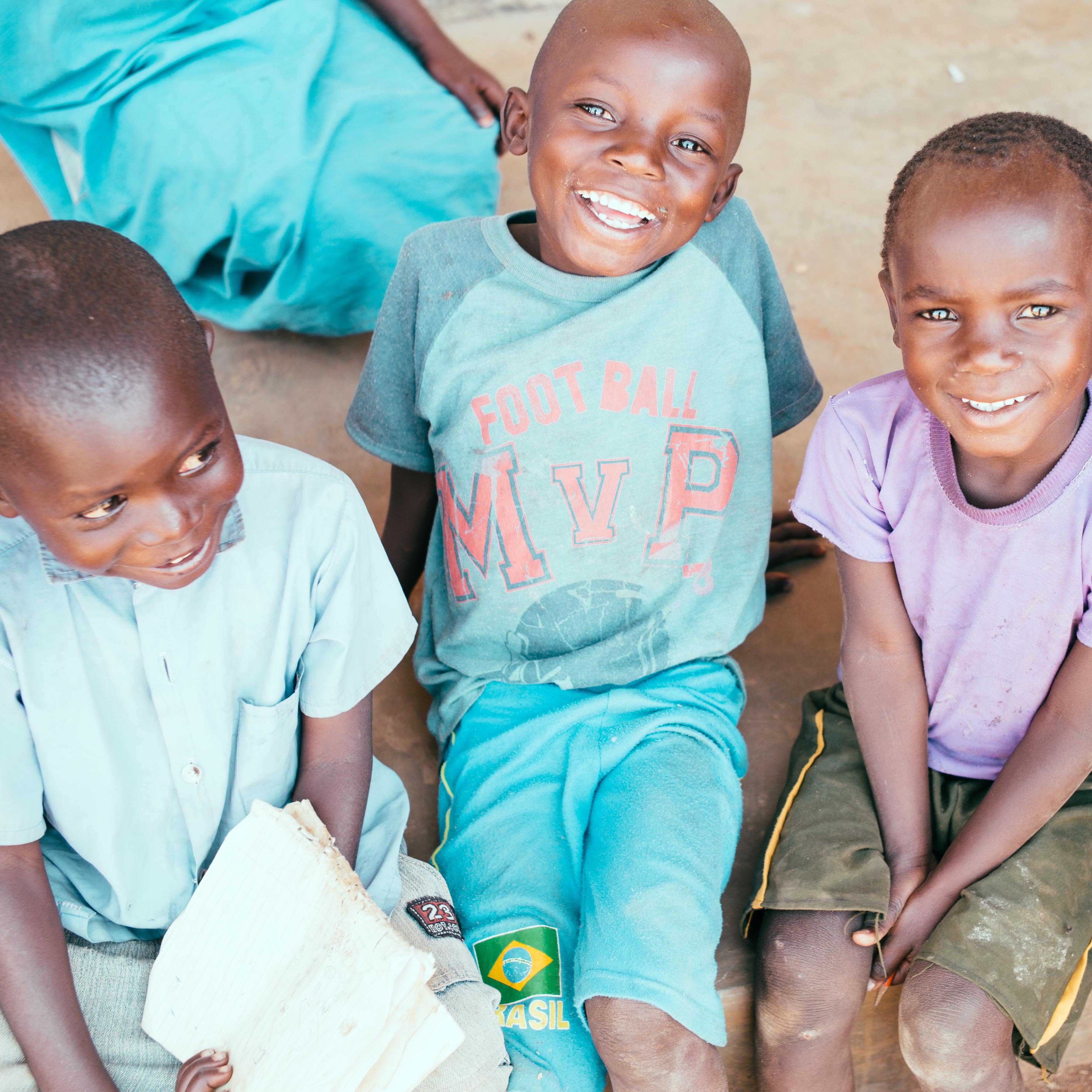
Some of the children who were playing around while their parents waited in the queue for rations…

Sankhu-2Sankhu-3Sankhu-1

Life inside the tent where these will be living for quite some time…

Sankhu-10Sankhu-11

As we then drove and walked across the village to get to our next distribution point, these were some of the shocking scenes we discovered…

Sankhu-13

You can see where this resident is sleeping out on a mattress in front of their home. While the home is still standing, it will need to be torn down because it’s no longer safe to live in…

Sankhu-14Sankhu-16Sankhu-15Sankhu-17Sankhu-18

We then reached the other side of the village where we found a much-needed calming view…

Sankhu-19

When one of the women in the field saw me, she came up to me explaining that her house had fallen down in the quake…

Sankhu-22Sankhu-23

My friend Cody helping unload the mini-cab into our distribution point, this time, a local church building…

Sankhu-20

As we waited for the families in need to gather, I had the chance to take some portraits of those who were arriving…

Sankhu-21Sankhu-24Sankhu-25Sankhu-26Sankhu-27Sankhu-29Sankhu-30

These boys made their own swing set using some cord they had found in the rubble…

Sankhu-28

Now the families had arrived and we began to distribute the rations…

Sankhu-32Sankhu-34Sankhu-31Sankhu-37Sankhu-36Sankhu-35Sankhu-33

On the walk back to our truck, we assisted in whatever ways we could as the residents tried to salvage what they could out of their homes. This family was fortunate in that, although condemned as a tear-down, their home was still standing, making it easier to rescue their belongings. Cody was able to help them get some furniture out…

Sankhu-39

I’ll leave you with more scenes of the catastrophic devastation we witnessed as we departed. This is our Nepal director Bimal surveying the aftermath…

Sankhu-43Sankhu-38Sankhu-40Sankhu-41Sankhu-42Sankhu-45Sankhu-44Sankhu-46Sankhu-47Sankhu-48

Nepal Earthquake Relief: Sindhupalchowk District

Catch up on why I’m here in Nepal and how you can help, too, by reading my previous post if you haven’t yet seen it. Today we made our way to a tiny village in the Sindhupalchowk District, pretty close to the China border. Bimal has a friend from that village who reported that nearly all the village residents had lost their homes, were sleeping under a long goat shed and desperately needed bedding supplies. So yesterday we scoured the markets in Kathmandu for what little supplies were available, and managed to come up with enough foam padding and blankets to get them a bit more comfortable arrangements while they are in the process of rebuilding. We set out at 6am for our journey to reach them…

Sindhupalchowk-1

On our way, we witnessed a quite bloody motorcycle accident. I have photos but I’ll spare you because they’re quite gory. We applied first aid and loaded the two victims into our truck. Bimal and our friend sped them off to the local hospital while Cody and I got to know the villagers and their amazing foot bridge you’ll see below. In this first photo (check out his t-shirt!) you can see the crowd still assembled around the point of the accident… (note that you can click or tap on any of my photos to see a larger size)

Sindhupalchowk-2Sindhupalchowk-3Sindhupalchowk-4Sindhupalchowk-5Sindhupalchowk-9Sindhupalchowk-7Sindhupalchowk-8Sindhupalchowk-6Sindhupalchowk-10

Before we knew it, Bimal and his friend had returned from the “ambulance” run. So we were back on our way to Sindhupalchowk, and these are some of the scenes of devastation we encountered…

Sindhupalchowk-11Sindhupalchowk-13Sindhupalchowk-17Sindhupalchowk-12Sindhupalchowk-14Sindhupalchowk-18Sindhupalchowk-16Sindhupalchowk-19Sindhupalchowk-41

The juxtaposition of such destruction against a backdrop of breathtaking beauty was surreal. I am not quite sure which two peaks these are, but this range runs along the China-Nepal border of Sindhupalchowk District. The peaks are just about 30km from where I took this shot (at Irkhu). Typical elevation of this range is around 7,000 meters, or 23,000 feet.

Sindhupalchowk-15

We then finally reached the village where we conducted the supplies distribution. The people, especially the children, were humble, grateful and precious souls. We first began by unrolling our huge sleeping pad material and cutting it into pieces for distribution…

Sindhupalchowk-20Sindhupalchowk-21

We also brought first aid and water purification supplies. The kids played around with us and absolutely loved the makeshift mattress padding…

Sindhupalchowk-31 Sindhupalchowk-30 Sindhupalchowk-29Sindhupalchowk-23Sindhupalchowk-24Sindhupalchowk-22Sindhupalchowk-25Sindhupalchowk-26Sindhupalchowk-27Sindhupalchowk-28

We also passed out new blankets for each homeless resident of the village…

Sindhupalchowk-32

This sweet lady volunteered as the coordinator to make sure that all residents who had been left homeless by the earthquake received their supplies…

Sindhupalchowk-34Sindhupalchowk-37Sindhupalchowk-35Sindhupalchowk-36Sindhupalchowk-39Sindhupalchowk-38

Rural Uganda: Mairinya Primary School, Local Village Life

In a remote part of southeastern Uganda in a town called Mairinya, Peace Gospel International’s local team operates a K-7 primary school serving about 200 children in the area. These children have no other access to education within a reasonable walking distance.

The school provides a warm porridge breakfast and a fresh-cooked lunch for the children each school day. The facility consists of 3 buildings and 4 pit latrines. The two main school buildings are seen in the first photo. Our first building is the temporary wooden one with dirt floors seen to the left, and the newer, permanent one is seen at right. The other nearby building across the road serves as office, storage and kitchen space.

I was deeply impressed with the children’s understanding of the material they were studying and their command of the English language. The staff are warm and very fun-loving toward the children, led by the gregarious example of Mr. Moses, their dedicated and hard-working headmaster who takes the bus two hours each way to reach the village. Dedication! Four other women work as support staff, preparing and serving meals and providing other assistive duties on campus. Their joy is contagious as you’ll see in the photos.

In the second portion of this post I’ll introduce you to the villagers and village scenes around the school, to give you a better idea of the local lifestyle and dwellings.

mairinya-31

Breakfast is served! Fresh-cooked porridge, which they either drink straight from the cup or with a leaf spoon like this little guy has here.

mairinya-2mairinya-1

After breakfast classes begin!

mairinya-3mairinya-4mairinya-5

We were able to purchase some new uniforms last week, and the children were excited to try them on. But we still have several we need to purchase. At about $10 per child and 200 children, it’s not a small expense. Don’t they look great?!

mairinya-7mairinya-8mairinya-9mairinya-10

The rest of the children were measured for uniforms. While they were waiting in line for their measurements, I took a few photos (surprising, I know).

mairinya-11mairinya-12mairinya-14mairinya-15

Then it was back to class, with me making plenty of interruptions, of course.

mairinya-34mairinya-6mairinya-33mairinya-32mairinya-20

By then we were hungry again and broke for lunch which consisted of rice and beans. During harvest times we are able to prepare the meals using organically grown ingredients from our farmland and garden project.

mairinya-22mairinya-23mairinya-26mairinya-27

The water source in Mairinya is not very safe and many of the children are complaining of common water-borne illnesses. We are in the process of getting funding together for a new safe water bore well which will be located on campus and made available to the entire village. You can see in this photo the water being served to the children is quite murky.

mairinya-25

The ever-jovial support staff…

mairinya-24mairinya-37

After lunch I spent more time around the classrooms and got a few more shots of these beautiful children who are all so happy to be in school. The girls of the K-4th classes send you their love…

mairinya-28mairinya-13mairinya-16mairinya-17mairinya-18mairinya-21

And for my Canadian friends…

mairinya-19

Now to take you around two or three of the local villages in this area… the people are so welcoming and the children always excited to see a foreign face. I’m sure they must think I’m a bit crazy, taking interest in what they see as simple everyday life. You’ll see the ubiquitous yellow jerry-cans which the children will carry for miles to reach local wells, some safe, some not very safe, to fill up with the day’s water needs.

mairinya-38mairinya-35mairinya-44mairinya-29mairinya-42mairinya-30mairinya-45mairinya-39mairinya-43mairinya-41mairinya-40mairinya-36mairinya-46mairinya-47

Uganda: Kampala Slums

Before I show you the Children’s Hope Center, I want to take you on a little walk through the slum colony where it’s located. I’d like to give you an idea of the conditions they live in, and to allow you to virtually meet some of the amazingly warm and wonderful souls who dwell here. The colony is situated at the bottom of a hill near the shores of Lake Victoria. Thus, sadly, much of the sewage and rainwater drainage of neighborhoods in higher elevations collects in stagnant pools here and flooding problems are pervasive in the rainy season. My visit was on Ash Wednesday; you will see some of the children of Christian families with the ashen crosses marked on their foreheads. 

Kam_Slums-2Kam_Slums-3Kam_Slums-7Kam_Slums-5Kam_Slums-6Kam_Slums-8Kam_Slums-12Kam_Slums-1Kam_Slums-17Kam_Slums-9Kam_Slums-11Kam_Slums-16Kam_Slums-13Kam_Slums-14Kam_Slums-10Kam_Slums-15Kam_Slums-18Kam_Slums-19bKam_Slums-20Kam_Slums-23Kam_Slums-22
Kam_Slums-24Kam_Slums-21Kam_Slums-25Kam_Slums-30Kam_Slums-29Kam_Slums-28Kam_Slums-26