Uganda: Education and village life in Mayuge District

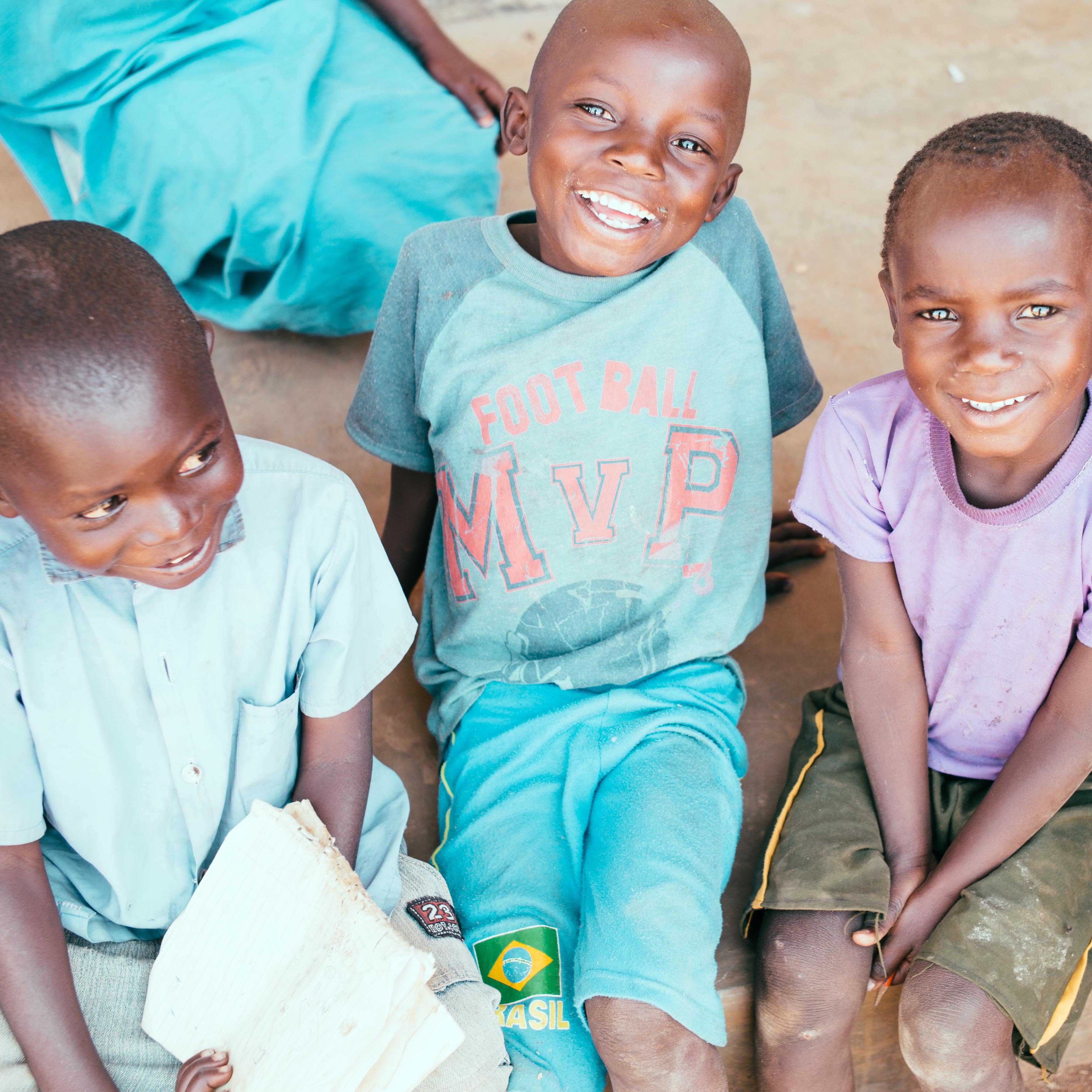
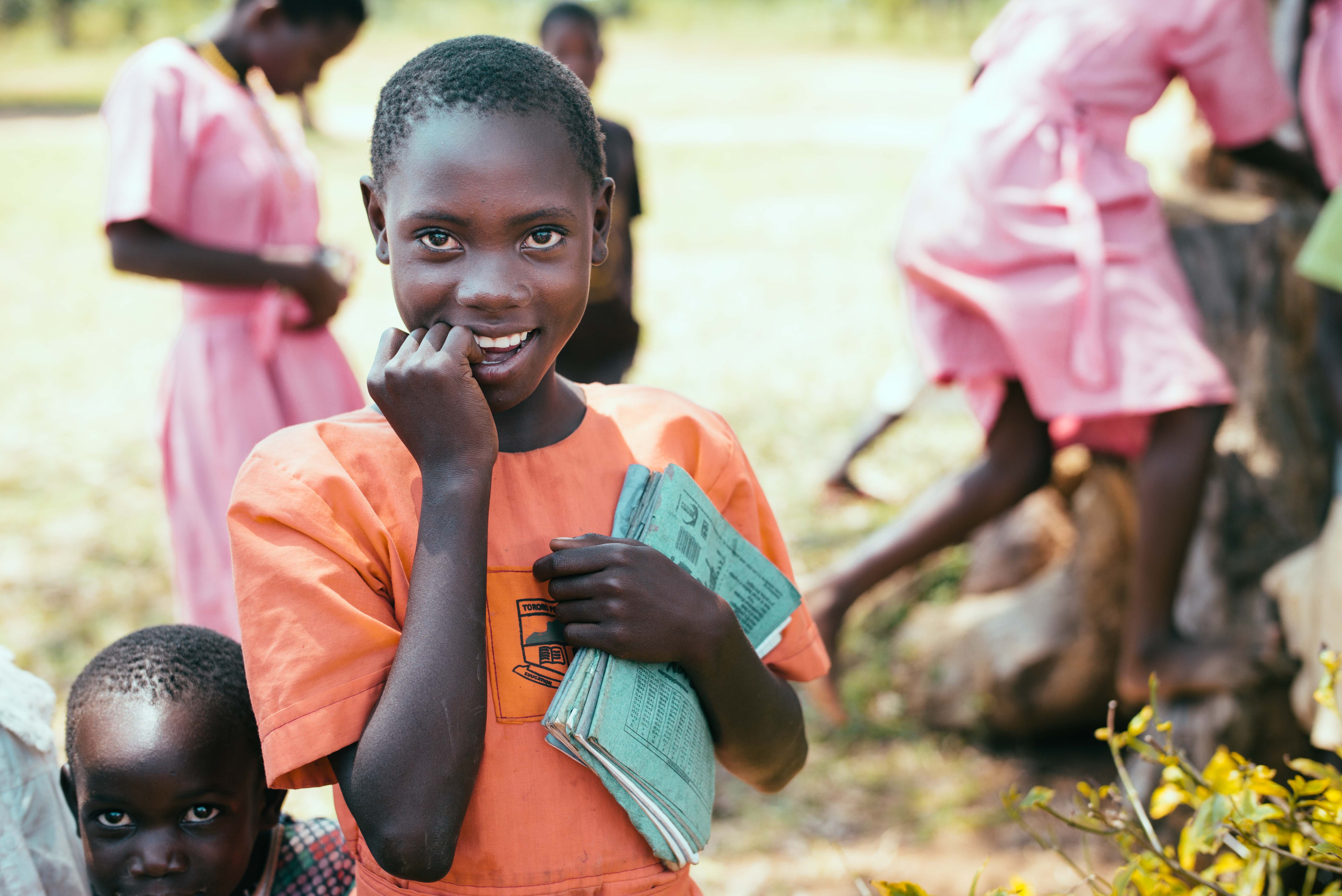
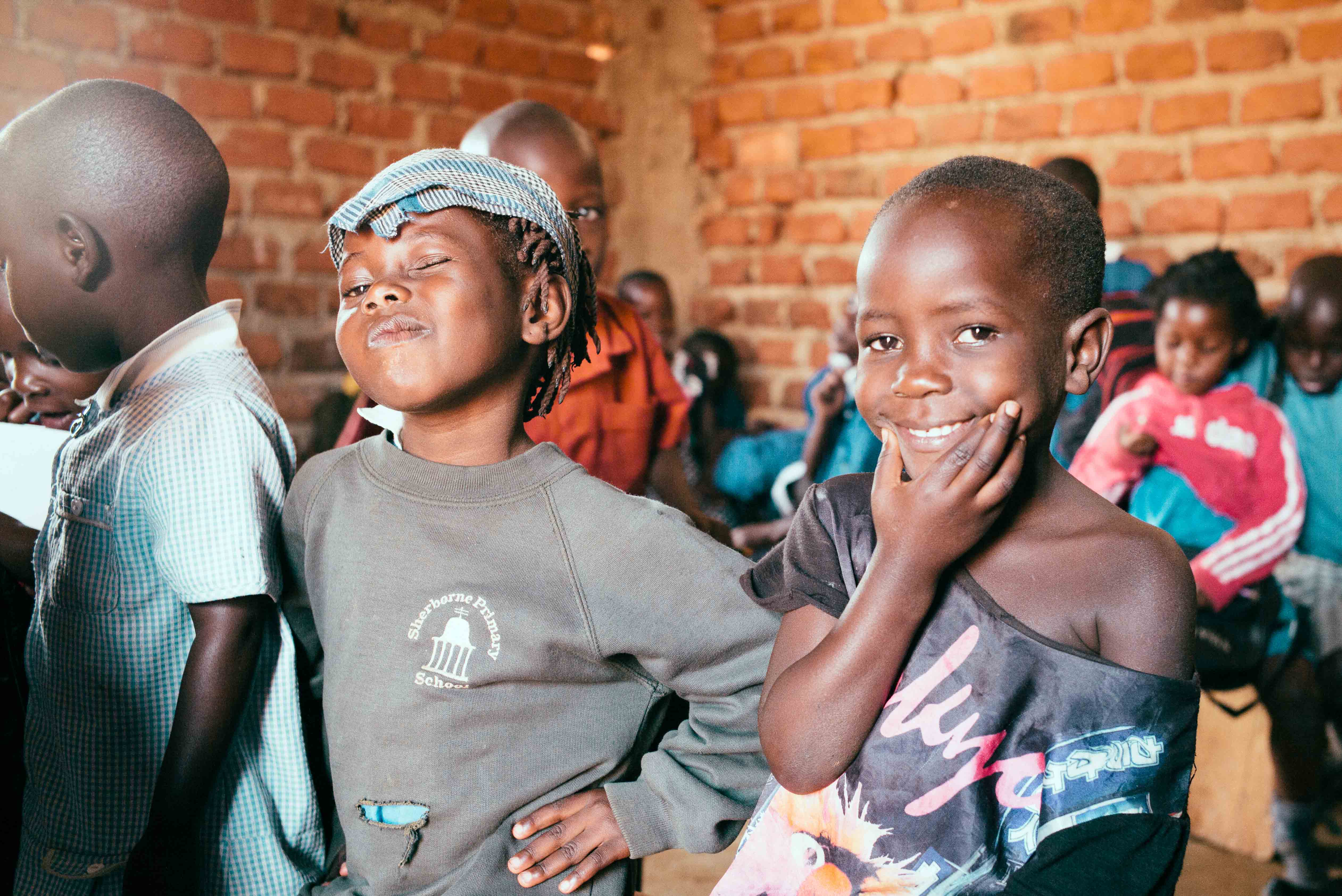
Thanks for stopping by to view my final summary of images from this trip to Uganda. In this set you’ll find more classroom scenes from the Peace Gospel rural high school that serves this part of Muyuge District. Peace Gospel is in the process of upgrading facilities yet again, to reach our final phases in obtaining accreditation for the school. The school includes boarding facilities, a kitchen and canteen, chemistry lab, and several classrooms. In the expansion currently underway, a library and computer lab will be included.

The high school offers the possibility for local rural residents to send their children to a nearby high school versus sending them to boarding schools in faraway towns. The school’s ability to charge a modest tuition to those families who can afford it allows us to offer scholarships to several orphan students who would otherwise never have the chance to go beyond seventh grade. “Primary Seven” (roughly equivalent to a U.S. seventh grade level) is usually the last easily accessible government education level available in the rural areas.

You’ll also find some scenes from our neighbor’s homes we visited near the main campus. For those of you uninitiated to Peace Gospel Uganda, when I refer to the “main campus” I’m referring to the Peace Gospel campus which contains the rural clinic, high school, farmland and women’s craft business development school.

Next in the set you’ll see photos from the Peace Gospel rural primary school. This school, located in a tiny village called Mairinya on the eastern edge of Mayuge District, not far from the Kenya border, offers a primary education from 1st to 7th grade. Before we started the school there was no access to education within a reasonable walking distance of the village. The school averages about 200 students who are all on scholarship to attend free of charge. They receive a fresh cooked breakfast and lunch each school day. The campus there also includes its own farmland, providing more fresh organic ingredients for our students’ meals.

After our visit to the rural primary school, we had the delight of visiting some of the local residents in neighboring villages. We also encountered many smiling faces along the winding dirt road that took us back to Jinja. I love this area dearly. I hope someday I can stay longer to document more of these super-simple villages with their gorgeously handcrafted mud huts and beautiful smiling residents.

Mayuge District, Uganda

[Note: I’ve been trying to upload this for 3 days so ‘today’ is not really ‘today’]

Today we made our way from Jinja to the Mayuge District where Peace Gospel International operates a high school, a rural clinic and a women’s business empowerment program. Mayuge District is located in eastern Uganda on the shores of Lake Victoria near the border of Kenya. The Ugandan school year kicks off in late February but it takes some time for all the students to register, especially in an election year. National elections were held last week and local elections are going on this week. We expect around 200 students to enroll this year once everything settles after the election security implementations.

There is so much activity on our main campus. A new school building, our largest building to be constructed on campus yet, is going up and should be ready soon– a major step needed in reaching our national accreditation. We also have several new latrines either just finished or still under construction, a new kitchen and a canteen from which the students can buy snacks at affordable prices (an effort to reduce the temptation to leave campus during the day). Not to mention the new solar solution provided by a grant from the Total Foundation. Among meeting other electricity needs, this has afforded us the ability to power a water pump from our well, thus providing running water on campus! Around campus, you will also see many children from our women’s business empowerment program playing while their moms practice their craft making skills in classes provided on campus.

Uganda: Kampala Slum Outreach, ‘The Children’s Hope Center’

Peace Gospel International operates a school in the slums of Uganda’s capital city, Kampala. Here are some shots I took at the school and around the slum colony today. The start of the Ugandan school year is this week, however due to the disruption of somewhat tumultuous elections, our enrollment at the school is a little lower than usual; it will be back to normal next week. However, there were plenty of students to interact with today, and you can just tell they’re sharp kids. As you can see in one of the photos, part of our school here has some challenges with flooding but we have some plans to remedy that.

Rural Uganda: Mairinya Primary School, Local Village Life

In a remote part of southeastern Uganda in a town called Mairinya, Peace Gospel International’s local team operates a K-7 primary school serving about 200 children in the area. These children have no other access to education within a reasonable walking distance.

The school provides a warm porridge breakfast and a fresh-cooked lunch for the children each school day. The facility consists of 3 buildings and 4 pit latrines. The two main school buildings are seen in the first photo. Our first building is the temporary wooden one with dirt floors seen to the left, and the newer, permanent one is seen at right. The other nearby building across the road serves as office, storage and kitchen space.

I was deeply impressed with the children’s understanding of the material they were studying and their command of the English language. The staff are warm and very fun-loving toward the children, led by the gregarious example of Mr. Moses, their dedicated and hard-working headmaster who takes the bus two hours each way to reach the village. Dedication! Four other women work as support staff, preparing and serving meals and providing other assistive duties on campus. Their joy is contagious as you’ll see in the photos.

In the second portion of this post I’ll introduce you to the villagers and village scenes around the school, to give you a better idea of the local lifestyle and dwellings.

mairinya-31

Breakfast is served! Fresh-cooked porridge, which they either drink straight from the cup or with a leaf spoon like this little guy has here.

mairinya-2mairinya-1

After breakfast classes begin!

mairinya-3mairinya-4mairinya-5

We were able to purchase some new uniforms last week, and the children were excited to try them on. But we still have several we need to purchase. At about $10 per child and 200 children, it’s not a small expense. Don’t they look great?!

mairinya-7mairinya-8mairinya-9mairinya-10

The rest of the children were measured for uniforms. While they were waiting in line for their measurements, I took a few photos (surprising, I know).

mairinya-11mairinya-12mairinya-14mairinya-15

Then it was back to class, with me making plenty of interruptions, of course.

mairinya-34mairinya-6mairinya-33mairinya-32mairinya-20

By then we were hungry again and broke for lunch which consisted of rice and beans. During harvest times we are able to prepare the meals using organically grown ingredients from our farmland and garden project.

mairinya-22mairinya-23mairinya-26mairinya-27

The water source in Mairinya is not very safe and many of the children are complaining of common water-borne illnesses. We are in the process of getting funding together for a new safe water bore well which will be located on campus and made available to the entire village. You can see in this photo the water being served to the children is quite murky.

mairinya-25

The ever-jovial support staff…

mairinya-24mairinya-37

After lunch I spent more time around the classrooms and got a few more shots of these beautiful children who are all so happy to be in school. The girls of the K-4th classes send you their love…

mairinya-28mairinya-13mairinya-16mairinya-17mairinya-18mairinya-21

And for my Canadian friends…

mairinya-19

Now to take you around two or three of the local villages in this area… the people are so welcoming and the children always excited to see a foreign face. I’m sure they must think I’m a bit crazy, taking interest in what they see as simple everyday life. You’ll see the ubiquitous yellow jerry-cans which the children will carry for miles to reach local wells, some safe, some not very safe, to fill up with the day’s water needs.

mairinya-38mairinya-35mairinya-44mairinya-29mairinya-42mairinya-30mairinya-45mairinya-39mairinya-43mairinya-41mairinya-40mairinya-36mairinya-46mairinya-47

Rural Uganda: Clinic, High School, Farmland, Children’s Outreach

Some miscellaneous shots from around Peace Gospel‘s main campus in rural Uganda.

Some fun news in this post. But first a little update about our clinic. Our hospital is not yet fully operational, so I’ve decided to still just call it a clinic for now. Once we can gain more profits from our farmland & garden enterprise, and/or raise more monthly sponsors to cover the staff needs at the clinic, then we can call it a hospital. Almost everything else is in place for it to be a true hospital.

Here are a couple of shots from around the clinic which offers medical aid to local residents and their children. We do have one full time nurse seen in the photos, who is licensed to administer first aid and medicines from our small-scale pharmacy. We hold seasonal medical camps at the clinic; in October we treated over 1,000 local residents in a 3 day period.

OnCampus-17OnCampusOnCampus-2OnCampus-1

Our high school is home to several children who would otherwise have no access to education past “Primary 7” which is the American equivalent of “7th Grade.” To serve the 460,000 residents of the Mayuge district, there is only one government high school with adequate facilities. There is simply no room at the high school, and even so, if there were, most the Mayuge children would have no way of reaching the school. Thus we have started our own high school to offer an affordable alternative for the rural children to continue their education past Primary 7. Many are on scholarship, and for those who do pay, it is very minimal, avg. $20/month. A total of 153 young scholars attend the school. We also have a boarding facility at the high school, home to 45 of our scholars during the school year. Here are a few scenes from the high school. This first shot is from lunch time.

OnCampus-4OnCampus-5OnCampus-13OnCampus-14OnCampus-12OnCampus-15

The big news is that our orphan home on campus is getting several finishing touches, including painting, fixtures, an full indoor kitchen and a security wall, all being completed this week. Here are a few scenes I captured from the new home which is situated right beside the high school. Our directors Frank & Susan are so happy to finally be able to live on campus with the orphans they’ve adopted as well as their biological children. The new facility is a vast improvement over the previous rented home which was just a rudimentary shelter with an outdoor kitchen.

OnCampus-7OnCampus-6OnCampus-25OnCampus-8

Our native team has a 6-acre farmland to help supplement their funding and provide nutritious ingredients for the meals served to the students and local children they reach with nutritional support. Frank surprised me with news of their effort to raise turkeys! So you’ll see a shot from the– what do we call it? “turkey house?”– here, as well as from our piggery and potato crop. The farmland employs several locals who are proud to be a part of the project. (The boy pictured in the potato field is not working the field, he is just playing, by the way– I’ll get emails if I don’t clarify this!) The vegetable garden is being replanted for the coming rainy season at the moment, so you will not see that.

OnCampus-3OnCampus-9OnCampus-16

Our nutrition & hygiene outreach program serves several children from the community whom we have identified as at-risk. Here are a few photos from one of the meal times when we served over 80 children a fresh-cooked meal. These children also receive hygiene supplies when needed, as well as clothing and school supplies.

OnCampus-23OnCampus-18OnCampus-22OnCampus-19OnCampus-20OnCampus-26OnCampus-10OnCampus-11OnCampus-24OnCampus-21

Rural Uganda: Children at the Well

A few years ago Peace Gospel International was able to raise funds for a new clean water well at our main campus in rural southeastern Uganda. The well freely serves a local population of around 10,000, so it’s almost always active throughout the day. Several children are usually gathered at the well to fetch water for their families or to just get a refreshing drink on a hot day. These are a few shots I got around the well over the course of the day. Since the well was installed, common water-borne diseases have vastly decreased in the area. These children also benefit from our free clinic located on campus.

WaterWell-1WaterWell-3WaterWell-22WaterWell-7WaterWell-2WaterWell-8WaterWell-20WaterWell-9WaterWell-4WaterWell-10WaterWell-26WaterWell-11WaterWell-5WaterWell-28WaterWell-29WaterWell-12WaterWell-6WaterWell-13WaterWell-25WaterWell-14WaterWell-24WaterWell-15WaterWell-21WaterWell-16WaterWell-18WaterWell-30WaterWell-17WaterWell-19WaterWell-27WaterWell-23WaterWell-31WaterWell-32

Uganda: Kampala “Children’s Hope Center”

In the midst of the Kampala slum colony known as “Katoogo” (see my previous post for context) lies the Children’s Hope Center, an education outreach of Peace Gospel International. The program is operated by locally empowered leadership in Uganda. In its humble facility the center offers a Kindergarten through 7th primary education for about 100 children who would otherwise have no access to education. Several of the children are orphans and stay with our program leader and his family in a make-shift orphan home located in the colony. The program provides the students with school supplies, second-hand shoes and uniforms, and nutritional support including daily breakfast, lunch and clean water. Thanks to a recently successful fundraiser, the past three weeks the facility has been undergoing renovations and improvements to prevent flooding and provide adequate shelter for the students during the rainy season. The improvements include upgrading from dirt to concrete floors, a new roof, permanent chalkboards and other repairs and upgrades to the perimeter of the facility that will prevent flooding and keep the children safe. I was so happy to get to see some of the upgrades already complete or underway. The children, teachers and administrators are so thankful for your support, as they had been awaiting the critically needed improvements for quite some time.

HopeCenter-3HopeCenter-1HopeCenter-2HopeCenter-4HopeCenter-5HopeCenter-6HopeCenter-7HopeCenter-8HopeCenter-9HopeCenter-10HopeCenter-11HopeCenter-12HopeCenter-13HopeCenter-15HopeCenter-16HopeCenter-17HopeCenter-18HopeCenter-19HopeCenter-20HopeCenter-21HopeCenter-22HopeCenter-23HopeCenter-24HopeCenter-25HopeCenter-27HopeCenter-28HopeCenter-29HopeCenter-30HopeCenter-31HopeCenter-32HopeCenter-33HopeCenter-36HopeCenter-35

Uganda: Kampala Slums

Before I show you the Children’s Hope Center, I want to take you on a little walk through the slum colony where it’s located. I’d like to give you an idea of the conditions they live in, and to allow you to virtually meet some of the amazingly warm and wonderful souls who dwell here. The colony is situated at the bottom of a hill near the shores of Lake Victoria. Thus, sadly, much of the sewage and rainwater drainage of neighborhoods in higher elevations collects in stagnant pools here and flooding problems are pervasive in the rainy season. My visit was on Ash Wednesday; you will see some of the children of Christian families with the ashen crosses marked on their foreheads. 

Kam_Slums-2Kam_Slums-3Kam_Slums-7Kam_Slums-5Kam_Slums-6Kam_Slums-8Kam_Slums-12Kam_Slums-1Kam_Slums-17Kam_Slums-9Kam_Slums-11Kam_Slums-16Kam_Slums-13Kam_Slums-14Kam_Slums-10Kam_Slums-15Kam_Slums-18Kam_Slums-19bKam_Slums-20Kam_Slums-23Kam_Slums-22
Kam_Slums-24Kam_Slums-21Kam_Slums-25Kam_Slums-30Kam_Slums-29Kam_Slums-28Kam_Slums-26