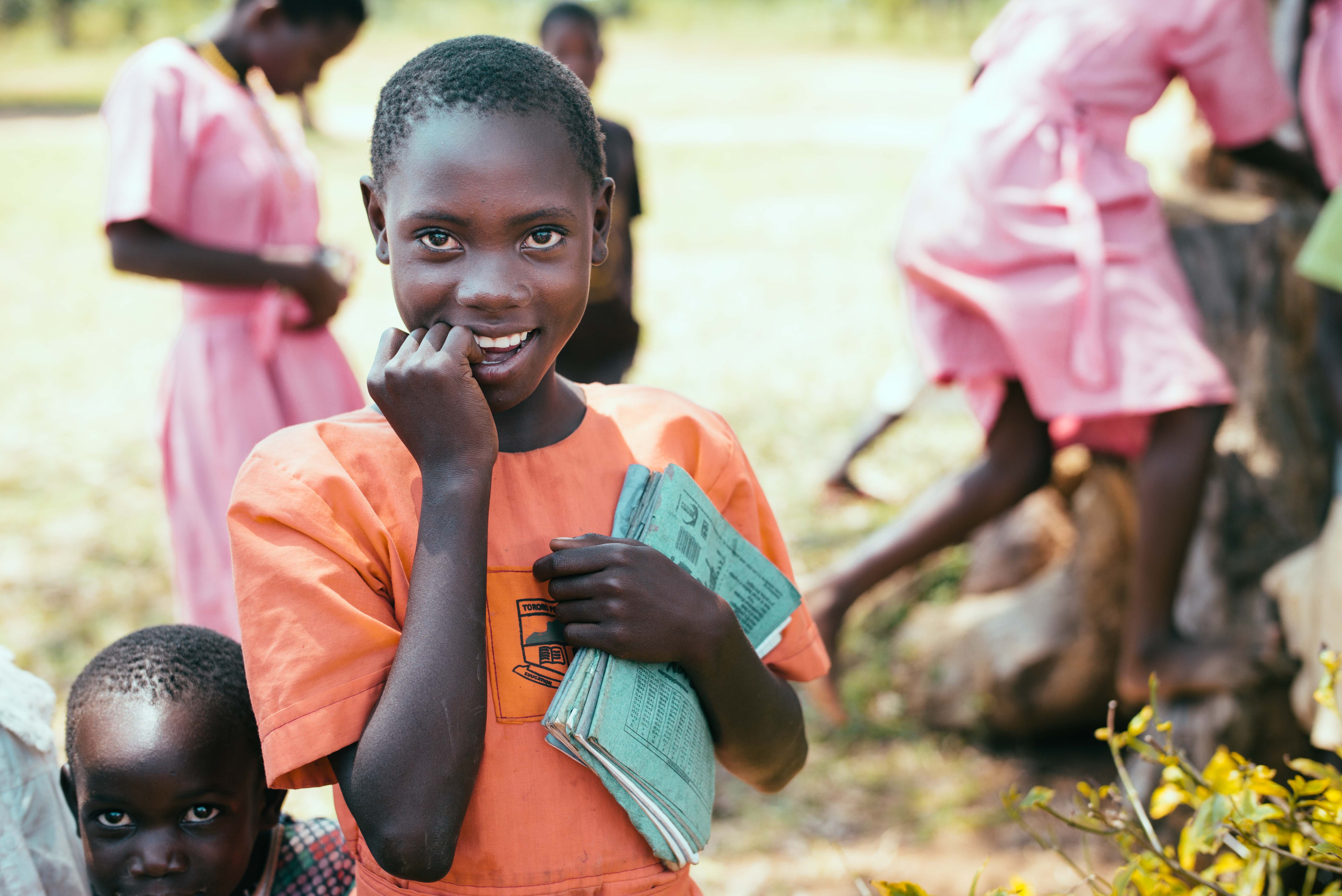
In a remote part of southeastern Uganda in a town called Mairinya, Peace Gospel International’s local team operates a K-7 primary school serving about 200 children in the area. These children have no other access to education within a reasonable walking distance.
The school provides a warm porridge breakfast and a fresh-cooked lunch for the children each school day. The facility consists of 3 buildings and 4 pit latrines. The two main school buildings are seen in the first photo. Our first building is the temporary wooden one with dirt floors seen to the left, and the newer, permanent one is seen at right. The other nearby building across the road serves as office, storage and kitchen space.
I was deeply impressed with the children’s understanding of the material they were studying and their command of the English language. The staff are warm and very fun-loving toward the children, led by the gregarious example of Mr. Moses, their dedicated and hard-working headmaster who takes the bus two hours each way to reach the village. Dedication! Four other women work as support staff, preparing and serving meals and providing other assistive duties on campus. Their joy is contagious as you’ll see in the photos.
In the second portion of this post I’ll introduce you to the villagers and village scenes around the school, to give you a better idea of the local lifestyle and dwellings.

Breakfast is served! Fresh-cooked porridge, which they either drink straight from the cup or with a leaf spoon like this little guy has here.


After breakfast classes begin!


We were able to purchase some new uniforms last week, and the children were excited to try them on. But we still have several we need to purchase. At about $10 per child and 200 children, it’s not a small expense. Don’t they look great?!


The rest of the children were measured for uniforms. While they were waiting in line for their measurements, I took a few photos (surprising, I know).


Then it was back to class, with me making plenty of interruptions, of course.


By then we were hungry again and broke for lunch which consisted of rice and beans. During harvest times we are able to prepare the meals using organically grown ingredients from our farmland and garden project.


The water source in Mairinya is not very safe and many of the children are complaining of common water-borne illnesses. We are in the process of getting funding together for a new safe water bore well which will be located on campus and made available to the entire village. You can see in this photo the water being served to the children is quite murky.

The ever-jovial support staff…


After lunch I spent more time around the classrooms and got a few more shots of these beautiful children who are all so happy to be in school. The girls of the K-4th classes send you their love…


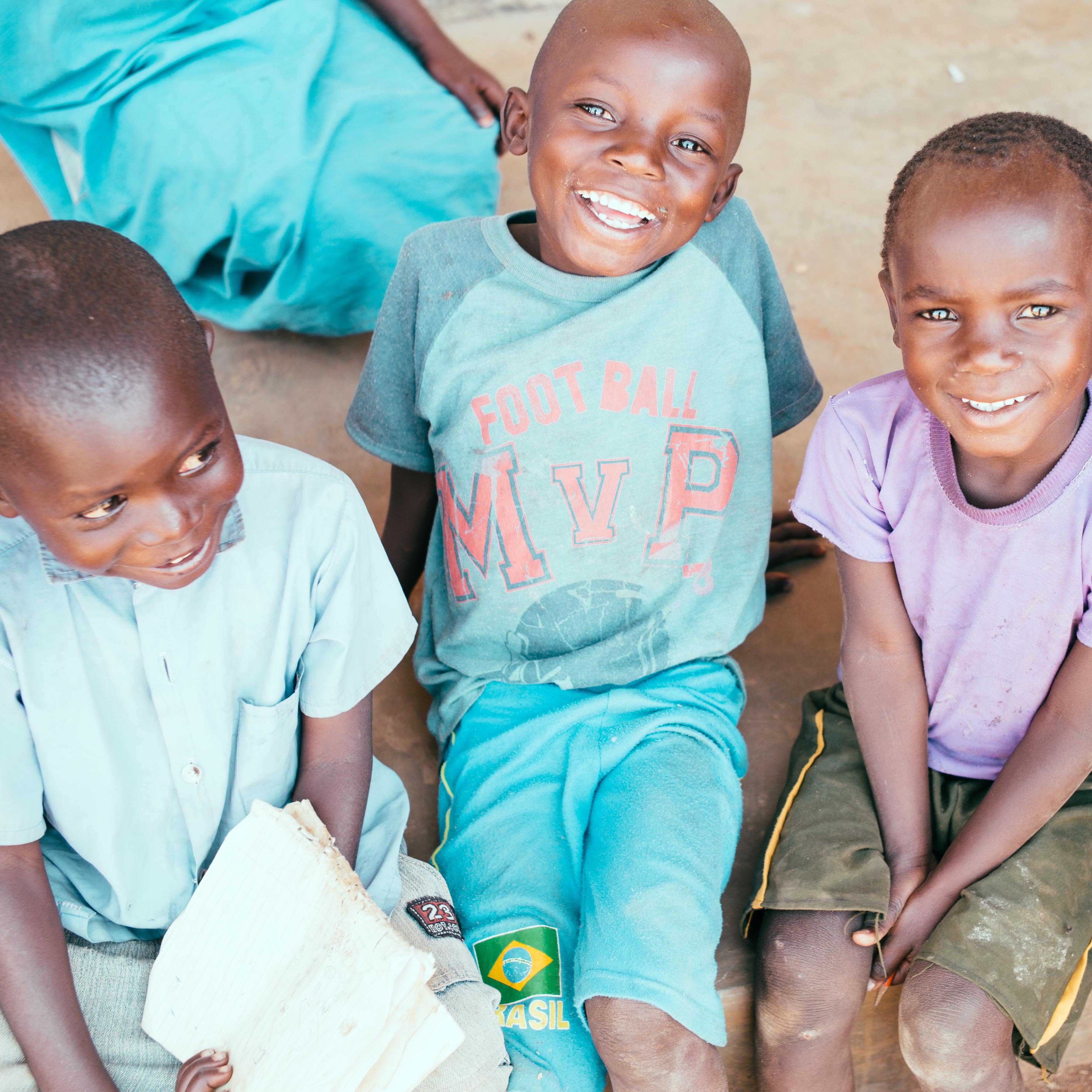

And for my Canadian friends…

Now to take you around two or three of the local villages in this area… the people are so welcoming and the children always excited to see a foreign face. I’m sure they must think I’m a bit crazy, taking interest in what they see as simple everyday life. You’ll see the ubiquitous yellow jerry-cans which the children will carry for miles to reach local wells, some safe, some not very safe, to fill up with the day’s water needs.